The Convention
What do we sell?
A structure that starts with product categories walks the buyer through its own catalog. Fast for a buyer who already knows the spec; it says nothing to a buyer thinking about the project.
| Pillar | Includes |
|---|---|
| Infrastructure & Transportation | Roads, rail, bridges, airports, ports |
| Energy & Utilities | Wind, solar, transmission, hydrogen, battery storage, utilities |
| Industrial & Digital Development | Manufacturing, mining, logistics, industrial parks, data centres, digital infrastructure |
| Agriculture & Rural Infrastructure | Irrigation, cold storage, food-processing infrastructure |
Pillar 01
Road, rail, bridge, airport and port projects make equipment the most critical variable in the programme. A crane or an excavator arriving a week late does not delay one work item — it delays the whole schedule.
BRAMS does not simply place machines on these sites. We look at technical compliance, site access planning, heavy transport and availability continuity — because the group behind us runs comparable programmes itself.

Scope
Pillar 02
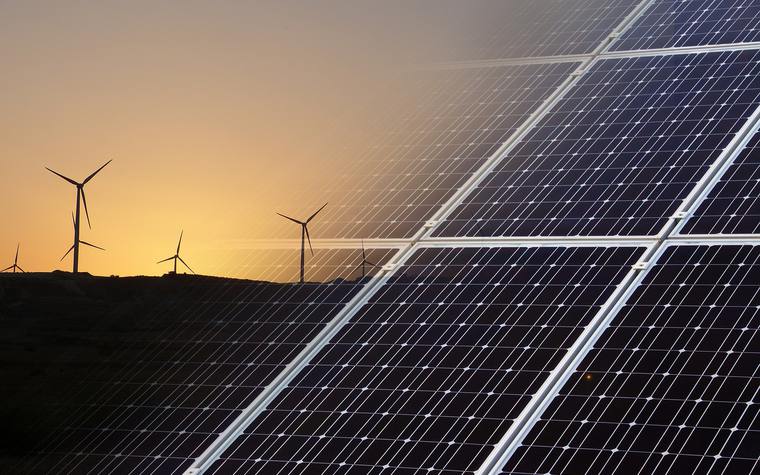
Energy projects ask unusual things of equipment: tower assembly hundreds of metres up, access across difficult terrain, critical lifts inside narrow weather windows. Wind, solar, transmission, hydrogen and battery storage investments all sit in this pillar.
The renewable energy activity of the group behind BRAMS is why we know this sector is defined not only by technical specification, but by timing and permitting as well.
Scope
Pillar 03
Manufacturing plants, mining sites, logistics centres, industrial parks and data centres all depend on equipment and fleet — during construction and then again in operation.
Digital infrastructure is the fastest-growing part of this pillar: a data centre is not only a building but an industrial facility requiring heavy equipment, power infrastructure and continuity. Our equipment and fleet capabilities serve both phases of these investments.

Scope
Pillar 04
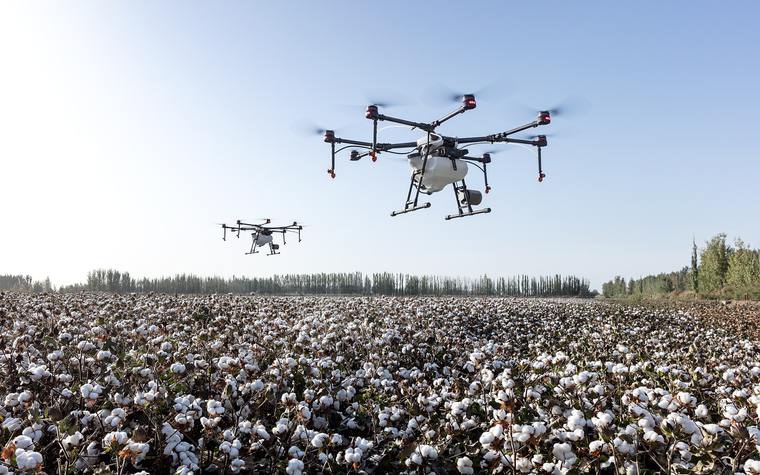
Agricultural productivity depends on the quality of rural infrastructure: irrigation systems, cold storage, food-processing facilities and the roads that reach them. Building these structures takes heavy equipment and fleet.
Scope note: this pillar means infrastructure equipment that serves agriculture. BRAMS is not a food production company; the group's agricultural activity is evidence of the group's scale and operating experience.
Scope
Why This Structure
The established regional approach splits a company by the items it sells: vehicles, equipment, rental, service. BRAMS splits itself by what it powers: infrastructure, energy, industrial development, agriculture. That is a structural difference, not a matter of tone — and a visitor comparing sites should immediately notice we are answering a different question.
The Convention
A structure that starts with product categories walks the buyer through its own catalog. Fast for a buyer who already knows the spec; it says nothing to a buyer thinking about the project.
The BRAMS Approach
A structure that starts with the sector shows it understands the project first, then presents the equipment. If the buyer already knows the spec, the capability layer is one click away.
Share your project's sector, location and schedule, and we will define the right equipment and supply model together.